
"hundred fruits"
3000 article(s) found

Coffee's thousand strange hundred flavor coffee and seasonings
With the development of "flavored coffee" in the early 1980s, more and more "coffee condiments" appeared.

Guatemala hundred Flowers Manor Solar treatment Kaddura exquisite wine flavor
Professional coffee knowledge exchange more coffee bean information please follow the coffee workshop (Wechat official account cafe_style) Front Street-Guatemala hundred Flower Manor Sun treatment introduction Guatemala hundred Flower Manor Sun area: Jutiapa Hutiapa Province, Jalapa Harapa Province and Santa Rosa Santa Rosa, Guatemalama Guatemala Manor: LAS FLORES Variety: Kadu

There are hundreds of flavors of black tea! Mix and match origin and materials to produce changeable flavor
Black tea is produced all over the world. Due to different soil, climate and other natural environmental conditions, black tea with different taste and aroma is created, plus tea from different producing areas is mixed, or dried fruit, flowers, vanilla and other materials are added. The flavor of black tea is ever-changing. The following introduces the common types of black tea: first, the tea from the place of origin is named as the name of tea, not with its name.

Introduction of Yemeni coffee
Yemeni coffee originated from Arabian coffee trees hundreds of years ago, all of which are produced in areas above 3000 feet above sea level. For hundreds of years, the unique planting and production methods of Yemeni coffee have remained almost unchanged. The seedlings of Yemeni coffee trees are first cultivated in nurseries and then transplanted to high elevations. Pesticides and fertilizers are not used in the breeding process. Mature coffee beans are naturally dried on coffee trees and shelled by stone mill.

The latest introduction of Yemeni coffee boutique coffee
Yemeni coffee originated from Arabian coffee trees hundreds of years ago, all of which are produced in areas above 3000 feet above sea level. For hundreds of years, the unique planting and production methods of Yemeni coffee have remained almost unchanged. The seedlings of Yemeni coffee trees are first cultivated in nurseries and then transplanted to high elevations. Pesticides and fertilizers are not used in the breeding process. Mature coffee beans are naturally dried on coffee trees and shelled by stone mill.

Yemeni coffee flavor Yemeni coffee characteristics Yemeni coffee taste
Yemeni coffee originated from Arabian coffee trees hundreds of years ago, all produced in areas above 3000 feet above sea level. For hundreds of years, the unique planting and production methods of Yemeni coffee have remained almost unchanged. The seedlings of Yemeni coffee trees are first cultivated in nurseries and then transplanted to high elevations. Pesticides and fertilizers are not used in the breeding process. Mature coffee beans are naturally dried on coffee trees and shelled by stone grinding.

Guatemala Sun Coffee hundred Flowers Manor Kaddura, bourbon sun treatment exquisite wine rhyme
Professional coffee knowledge exchange more coffee bean information please follow the coffee workshop (Wechat official account cafe_style) Guatemala hundred Flowers Manor tanning area: Jutiapa Hutiapa province, Jalapa Harapa province and Santa Rosa Santa Rosa, Guatemalama Guatemala Manor: LAS FLORES varieties: Catuai Kaduai, cuturra Kaddura, pache Pa

Introduction of boutique Yemeni coffee manor with fruit wine flavor
Moha is a small seaport on the red sea in the south of Yemen. for hundreds of years, most of the famous Yemeni coffee is exported to all countries of the world, so Yemeni coffee is gradually named after Moha. For many years, Yemeni Moha coffee has been regarded as the best coffee in the world, and its excellent quality has always been praised by the world. Moha coffee was first exported to Europe and then gradually became popular in neighboring countries.

Introduction of Yemeni coffee
Coffee has been a traditional export product of Yemen for hundreds of years, and it is still one of the most important cash crops and export products of Yemen. Statistics show that among the top 30 exports of Yemen in 2000, cooked coffee beans, raw coffee beans and coffee shells ranked second, eighth and 21st respectively, with a total value of about $17.5 million, of which raw coffee was about $12.25 million.

Yemeni coffee bean mocha coffee
Coffee has been a traditional export product of Yemen for hundreds of years, and it is still one of the most important cash crops and export products of Yemen. Statistics show that among the top 30 exports of Yemen in 2000, cooked coffee beans, raw coffee beans and coffee shells ranked second, eighth and 21st respectively, with a total value of about $17.5 million, of which raw coffee was about $12.25 million.

One hundred years of Development of Coffee in the World
In the fifth and sixth centuries AD, African Ethiopian shepherds found sheep dancing wildly after eating red fruit. In 1530 the first coffee shop appeared in Damascus in the north of the Ottoman Turkish Empire. The word coffee first appeared in British newspapers in 1601. The first coffee shop in England was opened at Oxford University in 1650. The first street cafe opened in Venice in 1683. Dimension
Coffee Culture Coffee Development in the World for one hundred years
In the fifth and sixth centuries AD, African Ethiopian shepherds found sheep dancing wildly after eating red fruit. In 1530 the first coffee shop appeared in Damascus in the north of the Ottoman Turkish Empire. The word coffee first appeared in British newspapers in 1601. The first coffee shop in England was opened at Oxford University in 1650. The first street cafe opened in Venice in 1683. Dimension

The Development of Coffee in the World for one hundred years
In the fifth and sixth centuries AD, African Ethiopian shepherds found sheep dancing wildly after eating red fruit. In 1530 the first coffee shop appeared in Damascus in the north of the Ottoman Turkish Empire. The word coffee first appeared in British newspapers in 1601. The first coffee shop in England was opened at Oxford University in 1650. The first street cafe opened in Venice in 1683. Dimension

One hundred years of Development of Coffee in the World
In the fifth and sixth centuries AD, African Ethiopian shepherds found sheep dancing wildly after eating red fruit. In 1530 the first coffee shop appeared in Damascus in the north of the Ottoman Turkish Empire. The word coffee first appeared in British newspapers in 1601. The first coffee shop in England was opened at Oxford University in 1650. The first street cafe opened in Venice in 1683. Dimension

The General knowledge of Fine Coffee Culture the Development of Coffee in the World for one hundred years
In the fifth and sixth centuries AD, African Ethiopian shepherds found sheep dancing wildly after eating red fruit. In 1530 the first coffee shop appeared in Damascus in the north of the Ottoman Turkish Empire. The word coffee first appeared in British newspapers in 1601. The first coffee shop in England was opened at Oxford University in 1650. The first street cafe opened in Venice in 1683. Dimension
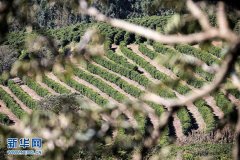
A century-old coffee inheritance of a Brazilian family
Professional baristas Please follow the Coffee Workshop (official Wechat account cafe_style) there is a coffee shop in the pedestrian street of San Lorenzo, a famous mineral water city in Minas Gerais, southeast of Brazil. The modern decoration and equipment stand out in the old city. The coffee shop belongs to the local Pereira family. The shop has been open for about 10 years, but his coffee is already available.

Yemeni coffee features Yemeni coffee flavor mocha coffee Yemen mocha coffee Yemen mocha coffee beans
Coffee has been a traditional export product of Yemen for hundreds of years, and it is still one of the most important cash crops and export products of Yemen. Statistics show that among the top 30 exports of Yemen in 2000, cooked coffee beans, raw coffee beans and coffee shells ranked second, eighth and 21st respectively, with a total value of about $17.5 million, of which raw coffee was about $12.25 million.